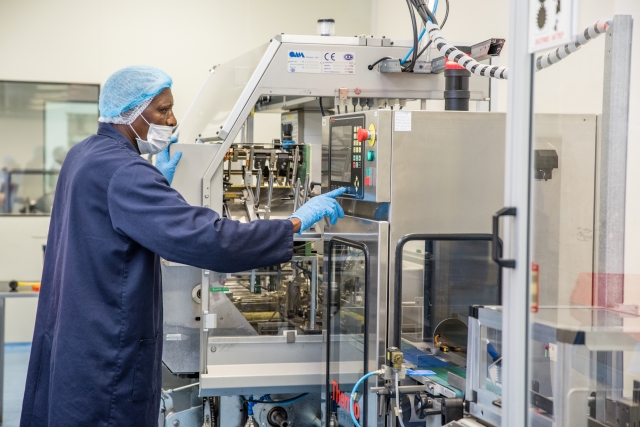

A Policy-Led Beginning: Post-Apartheid to Early 2000s
Following the end of Apartheid, South Africa placed healthcare access at the center of national policy. The 1996 National Medicines Policy aimed to ensure affordable, safe, and accessible medicines for all citizens. This vision became urgent during the HIV/AIDS epidemic, which forced the country to rapidly expand local production of antiretrovirals (ARVs) and embrace generic medicines.
During this period, a dual healthcare market took shape: a well-resourced private sector serving a smaller portion of the population, and a large public sector focused on cost-controlled, high-volume procurement. Although the industry still relied heavily on imported active pharmaceutical ingredients (APIs), local formulation and packaging capacity grew steadily.
Regulation was formalized through the Medicines Control Council (MCC). While essential for safety and quality, the MCC struggled with limited resources and slow approval timelines—creating delays in generic market entry and constraining local innovation.
The Current Landscape: A Strong but Constrained Leader
Today, South Africa’s pharmaceutical market is valued at approximately US$7–8 billion, making it the largest on the African continent. Prescription medicines dominate spending, supported by a mature retail pharmacy network and established manufacturers.
Key growth drivers include:
- Continued R&D and manufacturing in HIV/AIDS, tuberculosis, oncology, and chronic diseases
- Rising demand for vitamins, supplements, and preventative healthcare products
- Expanding private healthcare and medical aid coverage
However, the industry faces persistent challenges. Regulatory backlogs—now under the South African Health Products Regulatory Authority (SAHPRA)—continue to affect time-to-market. Public-sector tender inefficiencies, strict pricing controls through the Single Exit Price (SEP) system, and supply-chain vulnerabilities place pressure on margins and long-term investment.
In response, government and industry have intensified a localisation drive, promoting domestic API production and finished-dose manufacturing to reduce import dependence and strengthen medicine security.
The Road Ahead: 2025 and Beyond
Looking forward, South Africa’s pharmaceutical market is projected to exceed US$10 billion by 2030, with broader African demand acting as a major growth engine. The next phase of development will be defined by innovation and integration rather than volume alone.
Key future trends include:
- Investment in biologics, vaccines, radiopharmaceuticals, and advanced therapies
- Expansion of digital health, e-pharmacies, and data-driven supply chains
- Greater emphasis on ESG principles, sustainability, and local value creation
Strategically, South Africa is well positioned to serve as a pharmaceutical hub for the African continent, leveraging its advanced infrastructure, regulatory experience, and manufacturing base. Ongoing reforms at SAHPRA aim to accelerate approvals, while policy debates continue around pricing flexibility, competition, and long-term industry sustainability.
Conclusion
South Africa’s pharmaceutical production industry is a dynamic mix of proven capability, structural challenges, and significant untapped potential. Born out of policy necessity and public health crises, it now stands at a crossroads—moving toward self-sufficiency, innovation, and continental leadership. How effectively regulation, localisation, and digital integration are aligned will determine whether South Africa merely remains Africa’s largest pharma market—or becomes its most influential pharmaceutical engine.